Blog

  • Brändi

    Brändi

    Ennen varsinaista brändin käsittelyä on hyvä erottaa toisistaan maine, imago, sekä miten ne eroavat brändistä. Katleena Kortesuon (Kortesuo, 2011) mukaan brändi on itse ydinajatus, josta maine ja imago ovat heijastuksia. Ne kuitenkin syntyvät eri tavoilla.

    Brändi, maine ja imago (Kortesuo, 2011).

    Maine on kuin brändin varjo, joka muodostuu välillisesti muiden kokemien ominaisuuksien seurauksena. Esimerkiksi tuotteen laatu on on osa mainetta. Tuote voi esimerkiksi saada huonon laadun maineen, johon sen on huomattavasti vaikeampi enää jälkikäteen vaikuttaa.

    Imago toisinaan voi muodostua hieman virheellisestikin, se koostuu tyypillisesti niin välillisistä kuin suoraankin koetuista ominaisuuksista, mutta siihen vaikuttaa myös asiaa tulkitsevan henkilön omat asenteet, tunteet ja ennakkoluulot. Näin imago voidaan nähdä heijastavana peilikuvana brändistä siinä missä maine on ikään kuin brändistä heijastuva varjo.

    Brändi itsessään on jotain, jonka yritys tai henkilö itse luovat. Brändin tulee olla johdonmukainen kuva myytävästä henkilöstä tai tuotteesta. Maine ja imago heijastuvat tästä yhdestä ja samasta lähteestä, brändistä, mutta hieman riippuen tarkastelukulmasta, ne saattavat näyttäytyä hieman erilaisina. Näin ollen maine ja imago voivat hyvinkin olla ristiriidassa keskenään.

    Ei myydyt, vaan ostetut hyödykkeet

    Markkinoinnin itsessään ajatellaan olevan vain tuotteen myymistä. Sitä se ei kuitenkaan ole. Markkinointi on kaikki ne keinot, joita yritys käyttää viestimiseen. Näitä keinoja on sekä sisäisiä että ulkoisia. Markkinointi on siis samanaikaisesti myös brändin rakentamista. Ihmiset markkinointiosastolla voidaankin siis ajatella olevan ihmisiä brändäysosastolla.

    Nykypäivän tuotteita ei enää pelkästään myytyinä, vaan itse asiassa ostettuina tuotteina. Brändi auttaa tällaisessa tilanteessa, brändi ikään kuin myy ennalta tuotteen kuluttajan mielessä, jolloin ostotilanteessa kuluttajan vastuulle jää ainoastaan tuotteen ostaminen. Myyvyys on siis kiinteä osa brändiä.

    Brändi on tyypillisesti rakennettu erilaisten merkityksellisten tuotteiden ympärille. Ruokakaupassa tyypillisesti brändiuskollisuutta herättävät esimerkiksi erilaiset oluet. Toiset vannovat henkeen ja vereen Karhun nimeen, mutta toiset eivät taasen voi sietää sitä.


    Lähde: Pexels

    Brändin voi kuitenkin helposti luoda myös tavanomaisten hyödykkeiden, kuten maito tai jauhot, ympärille. Se on siis luotavissa mille tahansa tuotteelle, joka vain sattuu olemaan olemassa. Tästä hyvä esimerkki on pullovesi: Etenkin Yhdysvalloissa pullotettu vesi on erittäin suuressa suosiossa, vaikka pääosin kotitalouksiin virtaava hanavesi on täysin juomakelpoista. Pullotettu Evian saattaa olla litrahinnaltaan kalliimpaa, kuin esimerkiksi viereisen hyllyn halvin maito tai olut, mikä on sinänsä erikoista kun huomioi, että raikasta vettä on välittömästi saatavilla miltei mistä tahansa maksutta.

    Mikä tahansa substantiivi voidaan laskea brändiksi ja itse asiassa henkilö itsessään voi olla myös brändi. Ollakseen menestyvä, tulee ajatella joko itseään tai edustettavaa hyödykettä ensisijaisesti sen brändin kautta. Brändiajattelun myötä myös henkilö voi luoda itsestään brändin ja täten myydä itsensä uutena Evianina tai Steve Jobsina maailmalle.

    Muuttuva maailma

    Brändin voima on niin voimakas, että kuluttajat ovay valmiita luottamaan siihen miltei sokeasti. Ennen esimerkiksi autokaupoille mentäessä autoja käytiin ensin katsomassa ja tutkimassa ulkoisesti, sitten jokin yksilö vietiin koeajolle. Nykyään jopa autoja myydään Internetin välityksellä. Luotto tuttuun ja turvalliseen brändiin on niin kova, että tuote ollaan valmiita ostamaan ilman erityistä testaamista.

    Internetshoppailu ja kauppakeskuksessa kiertely muistuttavat toisiaan, mutta näissä molemmissa on omat yksilöivät eronsa. Kauppakeskuksessa tavarapaljouden keskellä on yritykselle tärkeää luoda sellaisia pakkauksia, jotka herättävät kuluttajan huomion. Tämän lisäksi esimerkiksi Yhdysvalloissa yhtiöiden on mahdollista ostaa itselleen hyllytilaa tietystä kohtaa hyllyä, jotta juuri oma tuote tulisi riittävästi esille. Internetissä ostokäyttäytyminen eroaa kuitenkin merkittävästi kauppakeskuksesta kiertelystä.

    Internetshoppailun voi toki aloittaa esimerkiksi kirjoittamalla Googlen hakukenttään “kirjat” ja edetä ikään kuin kauppakeskusmaisesti verkkokaupasta toiseen, mutta helpointa lienee kuitenkin siirtyä suoraa esimerkiksi Amazonin, Adlibriksen tai jonkin vastaavan palveluntarjoajan sivustolle. Näin kuluttaja pääsee kaikkein nopeimmin perille, eli itse ostotapahtumaan.

    Kilpailu ja erikoistumisen tuoma etu

    Kilpailun puuttuessa tuotteella on mahdollisuus laajentua, mutta mikäli kilpailu on jo alalla kova, tällöin brändi on vaarassa heikentyä laajentamalla liikaa. Yrityksen kuva markkinoilla heikkenee, kun brändi on laajentunut liikaa.

    Lähde: Pexels

    Toisaalta yrityksen valikoiman kaventamisen kautta brändillä voi olla mahdollisuus voimistua. Tästä hyvänä esimerkkinä toimii kahvilat ja ravintolat. On parempi erikoistua esimerkiksi donitseihin, erikoiskahveihin, tai esimerkiksi jäätelöihin, kuin tarjota kaikkea mahdollista, mitä kilpailijatkin tarjoavat markkinoilla. Näin kuluttajalle jää helpommin mieleen, mitä esimerkiksi Arnold’sista, IHOP:sta, KFC:sta tai vaikkapa Subwaysta kannattaa ensisijaisesti hakea.

    Erikoistumisen myötä on myös mahdollista kehittää tuotteita entistä paremmiksi. Tässä myös etulyöntiasemaan pääsee, kun ostaa suurella volyymillä yhden kategorian tuotteita, jolloin bulkkiostoilla on mahdollista myös myydä halvalla ja saavuttaa näin etua kilpailijoihin nähden, jotka eivät osta yhtä suurissa erissä, jolloin myös jälleenmyyntihinnat ovat pakosti suurempia.

    Brändin synty

    Brändi syntyy julkisuuden, ei mainostamisen myötä. Mainostaminen on osa brändin muodostamista, mutta sillä ei yksikään brändi pääse nousemaan omille siivilleen. Esimerkiksi The Body Shopin ja Starbucksin kaltaiset brändit ovat muodostuneet globaaliksi ilmiöksi miltei täysin ilman mainiostusta. Brändit ovat kuitenkin saaneet osansa julkisuudesta, jolloin niiden tuttuus yleisön keskuudessa on saavutettu esimerkiksi välittämällä omaa viestiä yrityksen arvoista erilaisten artikkelien ja haastattelujen myötä.

    Paras tapa brändin saavuttaa julkisuutta on olla ensimmäinen oman tuotesegmentin brändi. Paras tapa päästä puheenaiheeksi onkin siis luoda täysin uusi kategoria tai tarve, ei uusi tuote. Maailmalla on suurena ilmiönä tällä hetkellä niin kutsuttu VSCO girl -ilmiö. VSCO-tytön tunnusmerkkinä on metalliset juomapullot ja vähämuovinen elämäntyyli. Juomapulloja on ollut olemassa jo pitkään, mutta maapallon pelastavia vesipulloja? Vasta hetken.

    Mielikuvien hallintaa

    Tuote ei edusta pelkästään perimmäistä tarvetta, jonka se tyydyttää. Esimerkiksi auto ei ole vain nelirenkainen kuljetusväline, jolla on mahdollista kulkea paikasta toiseen. Se on sitäkin, mutta kun autoon yhdistää brändin, saadaan aikaan jotain, minkälaisena kuluttaja tahtoo auton nähtävän. Esimerkiksi Mercedes Benz edustaa käyttäjälleen vaikutusvaltaa, Tesla modernia aikaa ja luksustunnetta, Volvo on turvallinen perheauto ja Hondat ja Toyotat ovat käytännössä ikuisia.

    Mielikuvien osalta on kuitenkin tärkeää, että brändi ei laajenna uusille alueille. Mercedes Bentzin brändille ei tee hyvää laajentaa halpoihin perheautoihin, mutta toisaalta Volvonkaan ei ole tarkoituksenmukaista laajentaa kilpa-autojen saralle. Näin kuluttaja saa yhtenäisen kuvan brändistä ja keinon määritellä itseään omien kulutustottumustensa kautta.

    Ostan, olen siis olemassa

    Hidden Brainin podcast-jaksossa I Buy, Therefore I Am (“I Buy, Therefore I Am”, 2019) keskusteltiin laajalti brändistä. Brändi on kuin lippu, joka kertoo siitä kuka olet tai kuka haluaisit olla. Brändien avulla jokaisen yksilön on mahdollista luoda mielikuvaa itsestään muille, brändeillä voi esimerkiksi viestittää: Olen älykäs, rikas, urheilullinen, tai jotain muuta, mitä brändi edustaa. Kuluttajan käyttämät brändit ovat siis osa jokaisen itseilmaisua.

    Lähde: Pexels

    Jokaisella vaatekappaleella voi olla jokin tarina tai psykologinen linkki, jolla ne yhdistyvät kantajaansa. Esimerkiksi Michael Jordanin kenkiä pitämällä kuluttajan on mahdollista napata pieni osa tämän mystiikkaansa, mutta myös samalla omia myös samalla pieni osa hänen fysiikkaansa; Pitämällä Michael Jordanin kenkiä, saat samalla myös pienen palan juuri häntä.

    Kuluttajan identiteetin on kohdattava brändin kanssa, mutta toisaalta brändillä on myös mahdollista luoda itse itsestään tietynlaista kuvaa muille. Pääpiirteittäin kuitenkin kuluttajan identiteetin ja brändin kohdatessa kuluttaja näkee tuotteen hyvät puolet korostettuina muihin miltei identtisiin tuotteisiin verrattuna. Parhaimmillaan brändi määritteleekin minäkuvaa ja siten esimerkiksi kehoitus alkaa käyttämään jotain toista brändiä voi olla suora hyökkäys henkilön minuutta kohtaan ja se nähdään ikään kuin kehotuksena muuttamaan itsessä jotain. Brändillä siis myydään kuva omasta itsestä ja toisaalta brändillä myös vahvistetaan tätä kuvaa. Nämä kaksi kulkevat siis käsi kädessä.

    Brändistä uskonnoksi

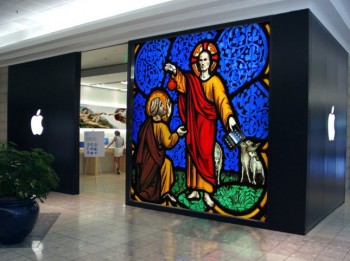
    Brändin osalta myös merkittävässä osassa on asiakkaan elämän mittainen arvo. Tiettyä tuotetta ostetaan esimerkiksi aina uudelleen ja uudelleen vanhan hajottua. Näin kuluttajasta tulee samalla brändin evankelista ja kuluttaja pyrkii kaikin tämän käsissä olevin keinoin suojelemaan brändiä kolauksilta. Brändievankelista esimerkiksi puhuu myönteisessä valossa arvostamastaan tuotteista tuttavilleen ja näin lisää brändin näkyvyyttä myös ruohonjuuritasolla.
    lamb
    Lähde: DavesComputerTips

    Brändi parhaimmillaan voi luoda kuluttajassa ikään kuin uskonnollisia piirteitä. Apple Storessa vierailevia Apple-fanaatikkoja onkin verrattu todella asiaansa omistautuneeseen uskovaiseen henkilöön. Apple-fanaatikon aivoissa esimerkiksi aktivoituu samat osa-alueet, kuin uskonnollisella henkilöllä jumalanpalveluksen aikana. Samaten tuotteiden kielellinen kuvailu muistuttaa hyvän paljon miltei jopa uskonnollista tapaa kuvailla ja ihailla ominta omaa.

    Lähteet

    Kortesuo, K. (2011). Tee itsestäsi brändi – Asiantuntijaviestintä livenä ja verkossa (s. 9). Jyväskylä: Docendo.

    Ries, A., & Ries, L. (2012). The 22 immutable laws of branding. New York, NY: HarperBusiness.

    I Buy, Therefore I Am. (2019). [Podcast]. Haettu 6.10.2019, osoitteesta https://player.fm/1wjzuN

  • Is technology changing the way we read?

    Is technology changing the way we read?

    The digital era has brought us many things. We used to have address and phone books to remember our friends’ contact information. We used regular landline and letters to communicate with each other. Now we use Google to find out where everybody lives and Facebook to ask how they are doing. Every bit of information is right there, right now, only few clicks away. Also, before the Internet people would read books page after page for hours, but now it is more the rule than the exception for most of the people to just skim through numerous of web pages and absorb as much information as possible. Nobody really seems to concentrate on the actual reading instead of the information gathering process where the main goal is to accumulate as much as possible.

    Usually reader uses an unconscious reading technique called “F-shaped pattern” for reading web content. The F-shape technique offers a very efficient way of finding necessary information from web pages. However, it has its downside. After the reader has accustomed to getting all the base information quickly from Wikipedia-like summaries, it becomes harder to concentrate on longer articles and books than before. For example most of the web sites that students use for reference in essays and sometimes even in their thesis are probably less than three pages long. (Technological citizen. 2009.)

    The term called deep reading is a thing most of the readers should practice nowadays and even advanced readers have reported that they find deep reading much harder than for example ten years ago. And this has nothing to do with aging, since it has been observed at all ages. Deep reading is a process in which reader can think critically and understand the words read. Sometimes this means reading the same paragraph over and over until its content is understood completely. It is said that without truly understanding the texts we read, it is impossible to really learn or to understand the larger entities. Deep reading helps also to remember thing better. For example some students study for final exam of a course. They are trying to absorb everything as fast as possible. Probably they end up storing all the data in their short-term memory. This way all the information gets mixed up easily and it is hard to write long essays from that basis. Instead of taking enough time and really thinking through the material can benefit the actual learning process and therefore the information can be remembered at a later time and be of use. (Technological citizen. 2009.)

    The ability to find information from the Internet quickly is not always a bad thing. We have learned to scan through long texts and find just the right key words and bits of information we need just a few seconds after we have entered the web page. The negative impact is, that we no longer have the ability to read long texts with thought. Usually reader loses interest after realizing that the article they are about to read is more than 6 paragraphs or over two pages long. The deep reading technique gives enough time for the reader to really digest the information and to understand the deeper contexts. This post-classical editing era in the movie industry has instilled two-second cuts to the ways of reading also. This way we do not really gain wisdom, we only read just for the purpose of reading. The human brain has been re-programmed not to know everything necessary but to know where and how to find all the information necessary for our cause the fastest way possible. (Carr. 2008.)

    It seems like the definition of intelligence have also changed through the years. It seems that gaining actual wisdom and learning is not the priority anymore. Sometimes the few paragraphs found from some Internet article may provide the information needed at the fewest, but to actually digest that information and to develop analytical way of thinking. The actual process of thought still stays quite shallow and it gets harder and harder to blossom as an intellectual individual. Still, as Mortimer Adler and Charles Van Doren wrote in their book “How to Read a Book”, they actually advise the reader to first skim through the whole content and try to figure out the main points from the text. After that the reader should read through the text and find out what the author wants to say. And finally, reader should form their own opinions about the subject and read the text analytically. This seems to be the problem nowadays. The average reader knows how to skim through any article, but they do not know how to analyze and digest all the information the best way possible. Still, the reader should not be blamed for trying to get off light while reading. (Carr. 2008; Adler. 1940.)

    Plato wrote in his book Phaedrus about reading and how it allows people to rely on written information rather than their own memory and intelligence. That part of Phaedrus can easily be scaled to 21st century where we are starting to rely on the information found from the Internet and which is accessible at all times. We start to forget the actual details of most of the subjects and the knowledge is replaced by the recollection of where to find the information. That is, how to Google it. (Carr. 2008.)

    ”…for this discovery of yours will create forgetfulness in the learners’ souls, because they will not use their memories; they will trust to the external written characters and not remember of themselves. The specific which you have discovered is an aid not to memory, but to reminiscence, and you give your disciples not truth, but only the semblance of truth; they will be hearers of many things and will have learned nothing; they will appear to be omniscient and will generally know nothing; they will be tiresome company, having the show of wisdom without the reality.” – Socrates in Phaedrus, written by Plato (Plato. 360 B.C.E)

    Intelligence can be developed through conventional reading, but it does not have to be just paper print. We can achieve higher understanding from digital media, also. It seems to be more the rule than the exception to use horizontal reading method while browsing the information from the Internet. The horizontal reading allows the reader to compare different texts with each other and form opinions based on multiple sources. This means that the reader can follow links included in articles, or sees a book reference and finds that part from the original piece. Horizontal reading can be practiced in print media also, but the Internet makes this process easier than ever before.

    The advantage of horizontal reading is at the same time its own peril. The reader can easily be distracted and go astray from the original topic and thought. Modern man is obliged to multitask all the time. The Internet itself creates distractions of all sorts. We have e-mail, Facebook and other communication services running in the background and they require our attention every now and then. Also most of the articles in the web sites are filled with third party advertisement to distract us even more. It is possible that at some point for the person to go from searching material for essay about carrots to watching video about Carrot Top the stand-up comedian.

    Is technology making us stupid or ignorant then? Can we measure intelligence through technology? Technology is not making us stupid. Technology gives us tools to create something new, if only we knew how to use those tools. The human brain evolves from limited and unreliable data bank into a powerful search engine, which consists of intelligent algorithms. The most important thing to remember when using search engines and reading articles is to practice source criticism and trying to analyze the data thoroughly. (Brabandere. 2015.)

    New technologies at their worst makes us quite unimaginative if we only add new innovations to the old technology. For example, we are able to fly when we forget about how birds fly. This is achieved by adapting a whole new mindset and breaking the rules of our thinking and expanding knowledge by trial and error. So, why not use creativity and create something totally different? This way, step by step, it is possible to shape our society into something new. (Brabandere. 2015.

    It is very important to understand the benefits and disadvantages of digital era. It is easy to trust blindly in the opinions of others, to trust that they have worked on the thought long enough to publish it. Probably those authors themselves have trusted on the opinions of others and based their conclusion on the analysis of somebody else. International Baccalaureate Diploma Programme (abbrev. IBDB) has a compulsory subject called Theory of knowledge. It would be very useful to implement this kind of subject in the whole school system, starting from elementary school. Theory on knowledge contains a variety of topics related to knowledge itself. The main components are Knowing about knowing, Ways of knowing and Areas of knowledge, which includes aread from different fields of science, for example the natural sciences, the human sciences, ethics and so on. In brief, Theory of knowledge challenges the person to think and to analyze the obtained information, which is something we all should do from an early age until the day we die. (IBDB. 2015.)

    References

    Author N/A. Web. 2009. What Is the Internet’s Effect on Deep Reading? The Technological Citizen. http://thetechnologicalcitizen.com/?p=414

    Nicholas Carr. Web. 2008. Is Google Making Us Stupid? The Atlantic. http://www.theatlantic.com/magazine/archive/2008/07/is-google-making-us-stupid/306868/

    Mortimer Adler, Charles Van Doren. Book. 1940. How to Read a Book. Publisher N/A.

    Plato. Web. 360 B.C.E. Phaedrus. Publisher N/A. http://classics.mit.edu/Plato/phaedrus.html

    Luc de Brabandere. Video. 2015. Is Technology Making Us Stupid? Digital-Life-Design15. https://www.youtube.com/watch?v=guGzLUpLpE8

    International Baccalaureate Diploma Programme Subject Brief. Web. 2015. http://www.ibo.org/globalassets/publications/recognition/core_tok.pdf